THE PHILOSOPHY BEHIND MY PRACTICE
Grounded in service.
Strengthened through study.
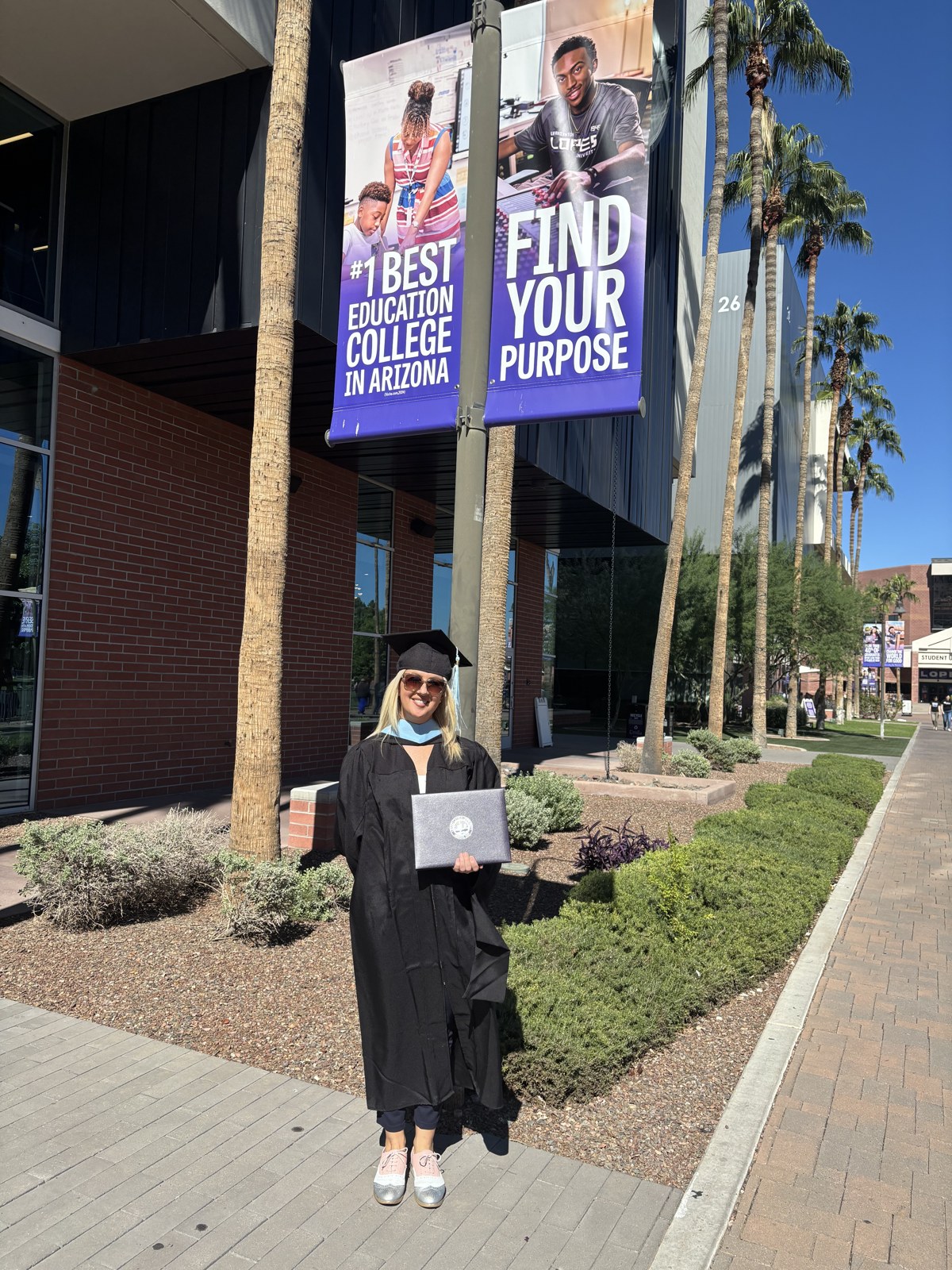
My master’s program in Educational Administration at Grand Canyon University gave me space to examine what I believe about leadership—and how those beliefs should shape the decisions I make. It helped connect my experience as an educator with a more intentional approach to developing people, strengthening instruction, and leading a school.
01 · SERVICE & SHARED PURPOSE
Use authority to build capacity.
My graduate leadership philosophy brought together servant and transformational leadership. Service begins with listening, understanding what people need, and removing barriers to their success. Transformational leadership adds a shared sense of direction: helping people see what is possible and giving them the trust, support, and responsibility to contribute.
That connection continues to shape my work as a principal. I want teachers to become more confident in their judgment, more willing to share their expertise, and more capable of leading improvement. A school becomes stronger when its progress is supported by the capacity of many people.
02 · INTEGRITY & PROFESSIONAL JUDGMENT
Make values visible in decisions.
Reflection during the program helped me examine the relationship between what a leader says and what a leader does. Integrity means honoring commitments, explaining the reasoning behind difficult decisions, and holding myself to the same standards I ask of others. Trust develops through that consistency.
In practice, this means listening to different perspectives before acting, communicating with honesty and respect, and making expectations clear. Empathy and accountability belong together: people deserve both thoughtful support and a reliable understanding of their responsibilities.
03 · BELONGING & MEANINGFUL CHALLENGE
Keep the learner at the center.
My philosophy begins with the belief that every student should feel seen, valued, and capable of growth. Graduate study gave me a framework for looking beyond an individual lesson to the curriculum, instructional choices, and school systems that shape a student’s experience.
Teacher interviews, curriculum reviews, and reflective work helped me consider whose needs are being met and whose perspectives may be missing. I carry those questions into decisions about multilingual learners, students who need additional support, and students ready for greater challenge. Belonging should create the confidence to attempt difficult work; high expectations should be accompanied by the support to meet them.
04 · REFLECTION & CONTINUOUS IMPROVEMENT
Remain a learner while leading.
Mentor feedback and reflection encouraged me to test assumptions, examine evidence, and consider how a decision affects the wider school community. My philosophy is still developing. It should remain responsive to the people I serve and the context in which they learn and work.
I approach improvement by asking what the evidence shows, what people are experiencing, and what would make a change sustainable. The same principle guides my interest in technology and new approaches: innovation earns its place when it improves learning or helps educators do their work more effectively.